
Can a New Roof Really Make a Difference for Indoor Allergens?
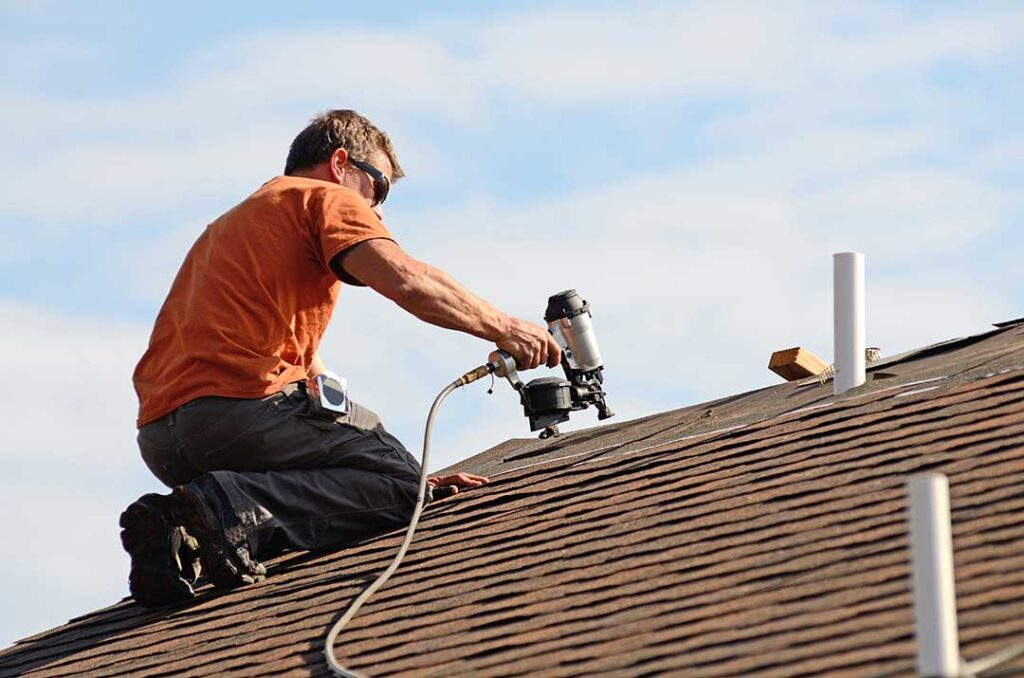
Yes, installing a new roof can influence the level of allergens inside a home, especially in places like Canton, NY where changing seasons mean homes face a mix of environmental conditions. An older or damaged roof often lets outdoor particles—like pollen, mold spores, and dust—enter attics and living spaces. Updating a worn roof helps create a cleaner, better-sealed environment, reducing what gets inside.
How Do Roof Issues Lead to Allergen Buildup Indoors?
Leaks, worn shingles, and improper ventilation cause real problems for indoor air quality:
- Water intrusion: Roof leaks often go unnoticed in attics. Even slow drips or dampness provide ideal conditions for mold growth, which can spread into the home. Mold spores are a frequent indoor allergen.
- Gaps and cracks: Missing shingles, damaged flashing, or decayed roof decking let pollen, dust, and other outdoor allergens slip inside, especially during spring and fall when levels are high in Canton.
- Poor ventilation: Roofs in this region rely on attic vents to manage moisture and air flow. If these are blocked, damaged, or placed incorrectly, humidity lingers—encouraging dust mites and mold.
Why Is Allergen Control Especially Important in Canton, NY Homes?
Canton experiences cold, damp winters and humid summers, both of which affect how allergens move and accumulate in homes. During wet months, roofs take a beating from rain and snow, which can accelerate shingle deterioration and increase leaks. In the spring and fall, pollen levels rise as local plants bloom, while fall leaf debris creates extra sources of organic matter near and on roofs.
Because homes in the city typically have attics and are often built with older roofing materials, gaps and vulnerabilities aren't unusual—making allergen entry easier. Effective allergen control can help residents who experience seasonal allergies, asthma, or other sensitivities.
What Specific Roofing Improvements Help Prevent Allergens Indoors?
A new roof is more than just fresh shingles. Modern installations often include:
- Moisture-resistant underlayment: This added layer between the shingles and the roof deck blocks water and limits damp areas where mold could start.
- Sealed flashing and joints: Improved materials and installation practices now keep water and dust from entering through chimneys, vents, and roof edges.
- Enhanced attic ventilation: New roofs regularly involve updating soffit and ridge vents, helping keep attic air dry and less hospitable to dust mites and mold spores.
- Pollen-, mold-, and algae-resistant shingles: Many products are treated to shed water and resist organic buildup, helping minimize sources of growth on the roof itself.
Not every roofing project addresses all of these, so asking about specific improvements when replacing a roof helps ensure protection against indoor allergens.
Can Repairing or Cleaning the Old Roof Provide the Same Benefits?
Routine roof repair and maintenance are valuable, but they can only go so far if the basic materials have aged past their useful life or if water has already contributed to hidden mold growth. Cleaning gutters and patching leaks reduces some risk of allergens, but cannot always correct design flaws or advanced wear:
- Small repairs may leave behind vulnerable areas not visible from the ground.
- Roofs older than 20 years often develop pervasive issues, especially after harsh winters and humid summers typical of the region.
- Mold growth or rot beneath shingles can persist until full replacement exposes it.
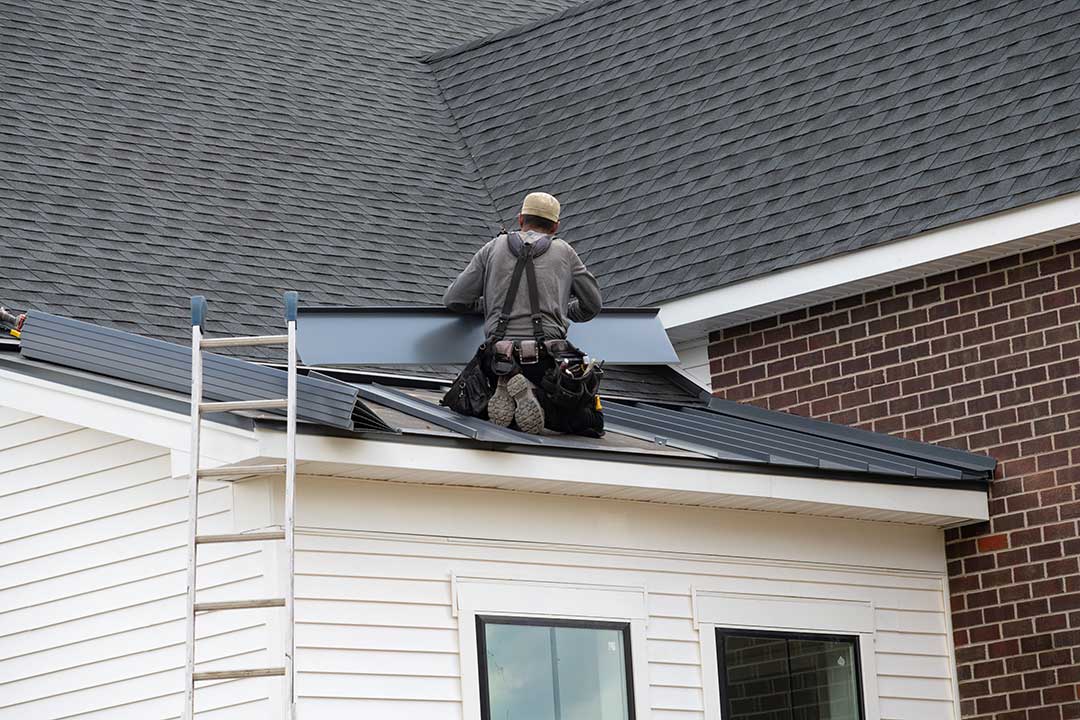
For homes with persistent allergy issues indoors, a full roof replacement offers a more comprehensive reset—especially if the source of allergens has been ongoing or hard to track.
What Steps Can Canton Residents Take to Reduce Allergens While Considering a New Roof?
- Inspect for leaks and moisture: Look for water stains inside the attic, especially after rain or winter snowmelt. Even minor signs can be a clue that allergens may be entering from above.
- Check attic insulation and ventilation: Attics should feel dry and not have a musty odor. Proper airflow is key to allergen control.
- Clean gutters and roof surfaces regularly: Keeping gutters clear reduces risk of water pooling and mold or moss growth on or near the roof.
- Assess roof age and condition: Homes with roofs from the 1990s or early 2000s stand a greater risk of leaks and gaps after years of exposure to local weather cycles.
- Address indoor air quality: While roof replacement reduces allergen entry, pairing this change with HEPA filtration and regular dusting can further improve comfort for allergy-sensitive residents.
Are There Misconceptions About Roof Replacement and Allergens?
Many assume that allergens only come from obvious water leaks or that sealing a roof completely will stop all pollen and dust. In fact, even invisible moisture and small gaps have big impacts over time. Some also believe new roofs are only about appearance or resale value, not realizing the role modern roofing plays in maintaining a healthy indoor environment.
For area households experiencing frequent allergies, unexpected asthma flares, or unexplained musty odors, the roof can be a more significant factor than often realized.
