
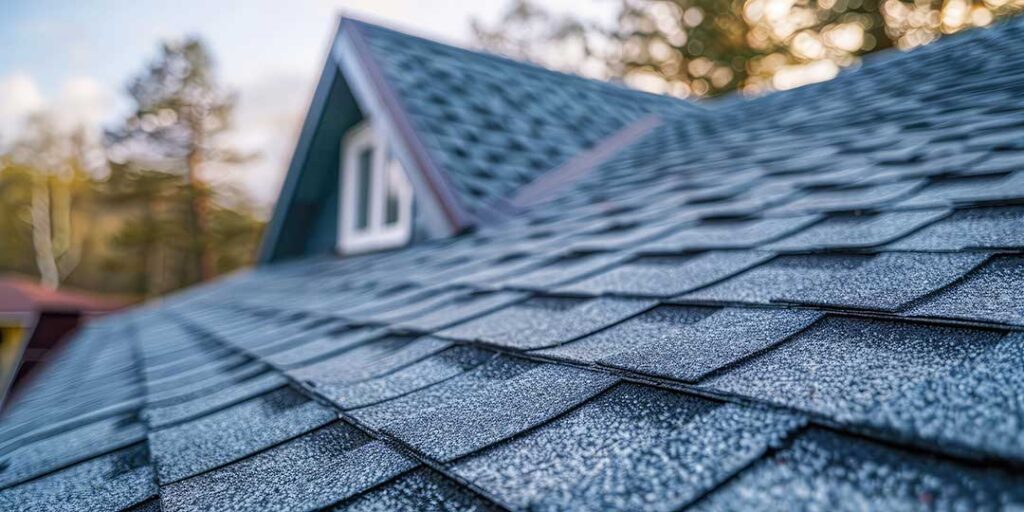
What Are Roof Eaves and Why Do Homes in Canton, NY Have Them?
Roof eaves are the lower edges of a roof that extend beyond the walls of a house. In Canton, NY, eaves play an essential role in managing water, protecting exterior walls, and helping homes handle the region’s climate. The extension is far more than a decorative detail: eaves are a key part of how local roofs function year-round.
Eaves typically include several components, such as the soffit (the underside), fascia (the front-facing board), and sometimes a drip edge or gutter system attached to them.
How Do Roof Eaves Protect Homes in the Local Climate?
In the city’s climate, which experiences both heavy snowfall and significant rainfall, the eaves act as a first defense against water-related damage. By channeling rain and snow melt away from the building’s walls and foundation, eaves can help prevent moisture problems that might otherwise lead to rot, premature paint failure, or even basement leaks.
Here’s how eaves benefit homes in this environment:
- Water Control: Eaves help direct rain and melting snow away from siding and window frames, which reduces the risk of leaks and rot.
- Snow Management: During freeze-thaw cycles, eaves and properly installed gutters can help manage ice dams, which are common in the area during late winter.
- Foundation Protection: By keeping water away from the base of the house, eaves can help reduce the likelihood of foundation problems caused by excess moisture pooling near the home.
Do Roof Eaves Help With Insulation and Ventilation?
Yes, eaves contribute to both insulation and ventilation needs for homes in this region. The soffit area under the eave often contains vents that allow cool air to enter the attic, creating airflow that helps prevent the buildup of moisture and condensation inside the roof space—major contributors to mold and ice dam formation.
Proper eave design can also help maintain a more consistent indoor temperature by preventing hot, stagnant air from accumulating in the attic during summer and reducing the risk of freezing during winter.
Are There Common Problems With Eaves in the Community?
Residents sometimes face several issues with roof eaves, especially as homes age or after storms:
- Clogged or Broken Gutters: The eaves’ gutters can become filled with leaves, twigs, or ice, leading to overflow and water damage.
- Ice Dams: If attics are poorly insulated, warm air can melt snow on the roof, causing water to refreeze at the eaves and create ice dams.
- Rot and Pest Damage: Moisture that isn’t properly managed can lead to wood rot in fascia boards, attracting insects and even small animals looking for nesting spots.
- Paint Peeling: Water running down exterior walls because of faulty eaves can make paint peel and shorten the lifespan of siding.
Residents can often spot problems by looking for visible stains, sagging gutters, or peeling paint near the roofline.
How Should Eaves Be Maintained in Canton?
Basic upkeep makes a significant difference in eave lifespan and performance. Routine maintenance steps for area households include:
- Clearing leaves and debris from gutters, especially in late fall and early spring
- Inspecting the soffits and fascia for signs of moisture damage or animal activity
- Checking for ice buildup during winter and safely removing heavy icicles if they form
- Making sure attic insulation remains dry and in good condition
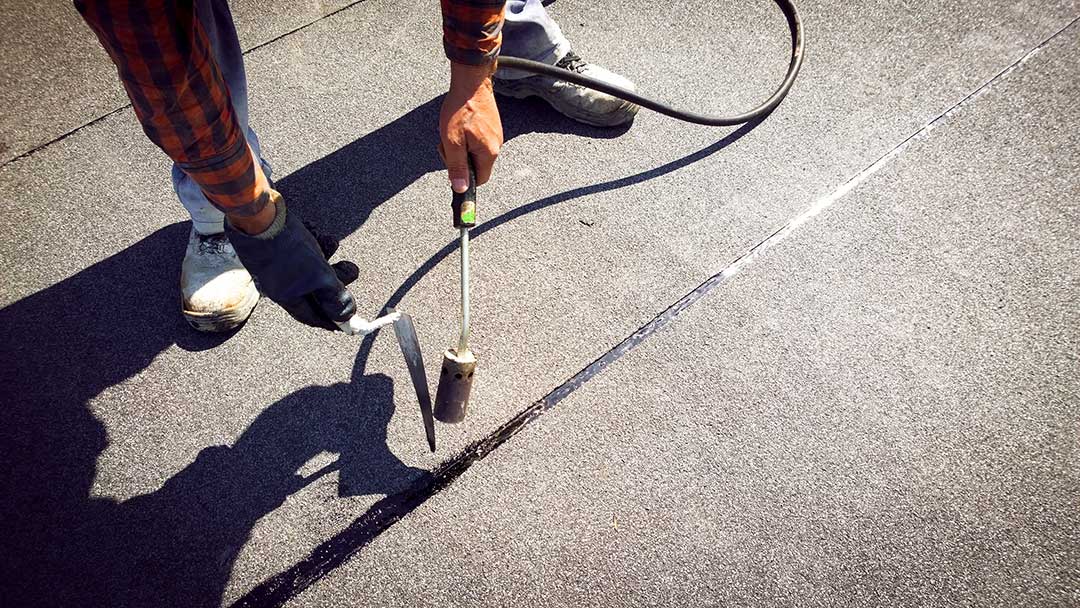
These simple checks, performed seasonally, can prevent common issues before they become major repairs, especially in areas with dense tree cover or older housing stock.
What Should Residents Know About Eave Design for Historic and Modern Homes?
Both historic and contemporary homes in the area incorporate eaves, but their style, size, and function may differ:
- Older Homes: These often feature deep, decorative eaves with wooden soffits and exposed rafter tails. While charming, they may require extra attention to keep wood protected from the elements.
- Modern Homes: Newer construction typically uses more streamlined eaves with built-in ventilation and composite or metal materials that better resist moisture and pests.
Regardless of style, the function remains the same: channeling water away and protecting the home’s structural integrity.
Are There Local Building Considerations Related to Roof Eaves?
In the city, as in much of the Northeast, building codes usually require certain standards for eave projection and ventilation. Proper eave design can prevent costly damage to homes and meet local code requirements for ventilation and fire safety.
Residential roofs must often include a minimum amount of attic ventilation to reduce moisture, which is usually achieved through soffit vents. It’s best for residents to stay aware of what’s required if planning renovations or repairs to their roof overhangs.
Can Residents Modify or Extend Eaves Themselves?
While minor maintenance can be handled by most homeowners, changing the structure of roof eaves—such as extending them for added protection or aesthetics—is more complex. Structural changes may require compliance with local codes, and safety should always be the top concern. For routine issues like gutter cleaning or touch-up painting, many area residents handle the work themselves with the right equipment and safety precautions.
