
How Does a Roof Affect Homeowner’s Insurance Coverage?
A roof is one of the largest and most exposed parts of a house, so insurance companies pay close attention to its age, material, and condition. The type and quality of a roof in Canton, NY can directly impact what is covered under a standard homeowner’s insurance policy and how claims are handled following storm damage or leaks.
In the area, insurance providers often ask about:
- The roof’s age and latest replacement/repair date
- Roofing material (asphalt shingles are common locally)
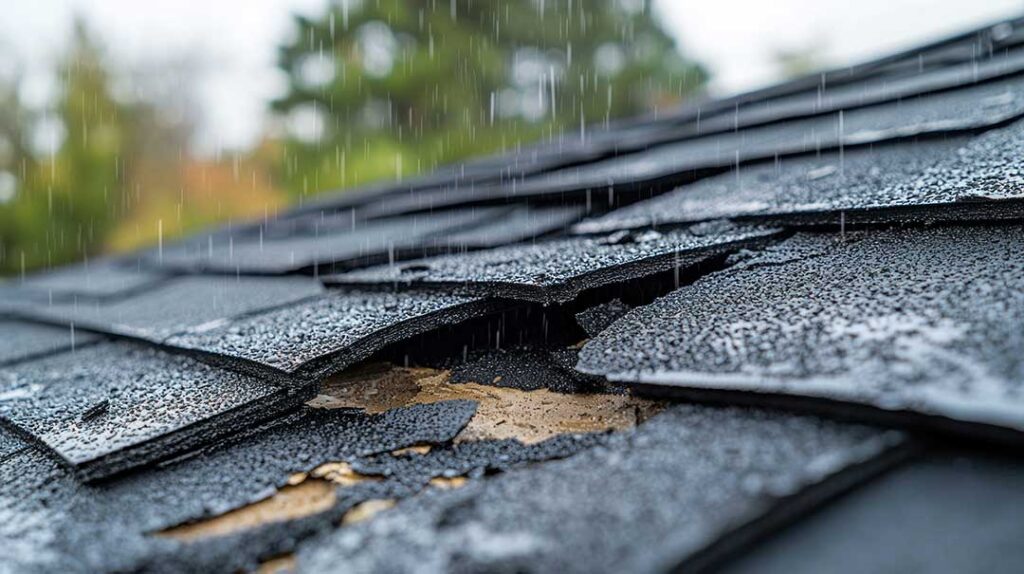
- Visible wear, moss, or damaged sections
- History of leaks or past repairs
Older roofs—especially those over 20-25 years—may result in higher premiums, limited coverage, or a requirement for proof of regular maintenance. Some insurers in this region may even decline coverage on roofs past a certain age. Timely repairs and detailed records can make a real difference during claims review.
What Roof Damage Does Homeowner’s Insurance Typically Cover in the City?
Homeowner’s insurance commonly protects against "sudden and accidental" events, but not wear-and-tear from neglect. In the city, this usually means protection from weather events typical of the North Country’s climate.
- Covered risks generally include windstorms, hail, falling tree limbs, and severe snow or ice damage.
- Most policies will not cover gradual deterioration, minor leaks from old age, or damage from inadequate ventilation.
- Ice dams, frequent in winter given area freeze-thaw cycles, may be covered when they cause interior water damage, but insurers may require proof that reasonable maintenance (such as gutter cleaning) was performed.
- If a roof was already in poor condition before a storm, a claim may be denied or only partially paid out.
Residents should carefully read their policy’s "perils insured against" and "exclusions" sections for specifics and not assume all water or roof issues are included.
Are Certain Roofing Materials or Designs Preferred by Insurers?
Insurance companies often favor roofs that offer durability and weather resistance. In Canton, the following considerations are common:
- Asphalt shingles are most prevalent in the area and generally accepted, but premium discounts may apply for metal or impact-resistant shingles.
- Flat roofs, or those with complex valleys and dormers, sometimes lead to higher premiums because of increased risk of water pooling or ice backup.
- Older wood shake roofs—or any material known to have fire or moss problems in a humid climate—may be penalized or excluded by some insurers.
Some policies reflect local risks: for example, insurers may ask about snow load ratings or the history of ice dam issues. Homeowners upgrading roofing materials can ask their insurance agent if discounts or better coverage terms are available for certain products.
How Do Insurance Companies Inspect and Evaluate Roofs?
In Canton, roof inspections are common during new policy applications, especially for homes over 15 years old or those with visible signs of aging in property records. Insurers may:
- Request photos or an inspection report, sometimes from a third party
- Look for missing shingles, bent flashing, or visible sagging
- Ask about roof pitch and whether attic ventilation appears adequate
Drone photos and satellite imagery may also inform underwriting decisions. It’s not uncommon for residents to receive a letter requiring repairs or upgrades to retain coverage after such a review.
How Can Homeowners In the Area Reduce the Risk of Denied Claims?
To avoid disputes or claim denials, homeowners should:
- Keep detailed records of repairs, replacements, and maintenance (including receipts and contractor notes)
- Clear gutters and remove leaves or debris regularly, especially before freeze-thaw cycles begin
- Photograph new roofing work and any maintenance performed
- Promptly address minor issues, since evidence of neglect can be used to deny claims

It helps to review the exclusions in individual insurance policies since flood or groundwater infiltration is virtually never covered by standard homeowner’s insurance in the area.
Does Insurance Pay for Full Roof Replacement, or Only Partial Repair?
In coverage terms, whether insurance pays to fully replace a roof or only repair part of it depends on several factors:
- If a covered event (like a windstorm) damages the structure, the insurer may pay for a full replacement—especially if repairs are impractical.
- If only a small section is affected, payment may be limited to repair or patching.
- Many policies pay only the "actual cash value" (ACV) for older roofs, subtracting depreciation, but may pay "replacement cost" on newer roofs.
Residents should ask their insurance provider what settlement terms apply to their home and clarify how partial damage is handled, as outcomes can vary significantly, especially for roofs past a certain age.
What Steps Should Residents Take After Storm or Roof Damage?
After experiencing wind, hail, or a heavy snow event—common in the city—immediate action is crucial to protect insurance rights:
1. Document the condition with photos from multiple angles.
2. Take only temporary steps needed to prevent further damage—such as tarping a leak—but don't start major repairs before notifying the insurer.
3. Contact the insurance company as soon as possible to initiate a claim.
4. Keep receipts for emergency repairs and communications logged in writing.
Acting quickly and having accurate documentation can make a significant difference during claims review. For any situation involving suspected structural instability or extensive water infiltration, consult local safety officials or qualified inspectors.
Common Misconceptions About Roofs and Homeowner’s Insurance in Canton
- All roof leaks are covered regardless of cause: In reality, only sudden and accidental leaks are typically covered—not those from age or neglect.
- A new roof will always lower your premium: While a new roof generally helps, other risk factors and policy specifics may have more influence.
- Snow load isn’t a concern for insurance: Heavy snow and ice are common regional issues—claims may be denied if proper snow removal is neglected.
- You can choose any repair approach after a loss: Insurance companies may require certain materials, methods, or contractors for claim approval.
Knowing these details ahead of time can help local residents better align roof care with insurance expectations.
