

Why Do Roof Inspections Matter in Canton, NY?
Roof inspections help local homeowners identify small issues before they become larger, costly problems, especially due to the area's weather conditions. In Canton, NY, seasonal changes bring heavy snow, freeze-thaw cycles, rain, and wind, all of which place significant stress on roofs.
Routine inspections after winter and before the wet season can reveal storm damage, loose or missing shingles, early signs of leaks, and roofing wear that is common in the region. For older homes in the community with aging roofs, regular checks are especially helpful for budgeting repairs or planning future work.
How Often Should Roofs Be Inspected?
Most experts recommend homeowners look over their roofs at least twice a year—once in early spring and again after autumn leaves have fallen. Significant storms, hail, or strong winds may also prompt an additional check.
- Spring inspections reveal damage or moisture issues from snow and ice.
- Fall checks can spot leaves and debris that may clog gutters just before winter returns.
Older roofs, or those with complex designs, may need more frequent attention. If selling or buying a home, a thorough inspection provides peace of mind.
What Signs Suggest a Roof Needs Attention?
The most common early warning signs are typically visible from the ground or inside the attic. Spotting these signs lets residents act early, before the problem spreads:
- Missing, curling, or cracked shingles
- Buildup of granules from asphalt shingles in gutters
- Staining or discoloration on ceilings and attic rafters
- Moss or algae growth, especially in shaded areas
- Damaged or sagging gutters and downspouts
Indoors, unexplained water stains, damp insulation, or musty odors after rain may indicate a hidden leak or ventilation problem.
What Does a Typical Roof Inspection Involve?
A complete check involves both exterior and interior elements. Observant homeowners often start from the ground with binoculars, then look in the attic if safe to do so.
Visual checks may cover:
- Shingle condition, fastener security, and flashing at valleys or chimneys
- Sealants around roof penetrations, such as vent pipes or skylights
- Debris or moss buildup that might trap moisture
In the attic, look for:
- Moisture stains, dark spots, or visible drips
- Adequate insulation levels and proper ventilation openings
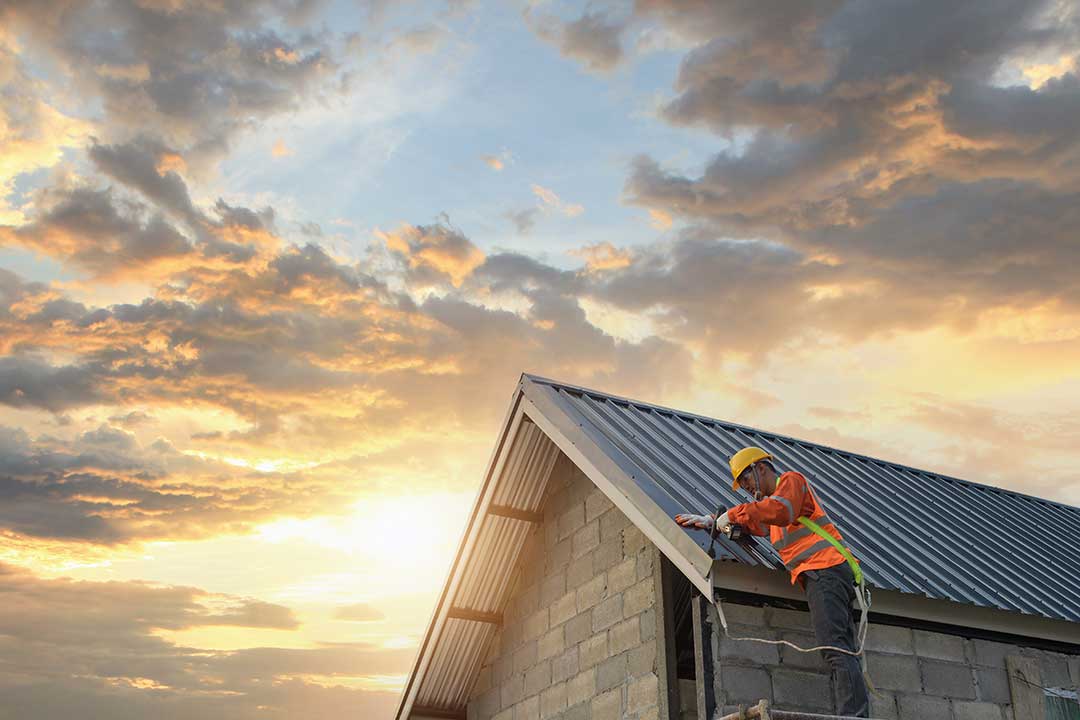
Special care is necessary when accessing the roof to avoid injury. If structural concerns or steep slopes exist, it is safest to limit inspection to visible and accessible areas.
What Problems Are Common Locally?
In this region, homeowners often encounter issues caused by ice dams, sudden temperature swings, and heavy snow loads during winter. Spring melt and freeze-thaw patterns can loosen shingles or open small gaps where water may enter.
Regular clearing of gutters and making sure downspouts are unblocked helps protect roofs from water backup. Areas around chimneys, vent pipes, and roof valleys deserve special attention, as leaks often start here due to the way moisture accumulates or ice builds up.
Can Homeowners Do Their Own Roof Inspections?
Many householders carry out basic checks themselves with some safety measures. Using a sturdy ladder and only working on a dry, mild day can reduce risks. Walk the perimeter and use binoculars for a closer look without climbing onto the roof.
For newer roofs with no visible problems indoors or out, this simple approach is often enough to spot impending concerns. If anything appears unsafe, severely damaged, or unusual, stopping the inspection and seeking expert advice is the safest approach.
What Are Some Misconceptions About Roof Inspections?
Some believe roofs only need checking when a leak occurs, but minor damage can go unnoticed for months. Another common misconception is that all problems are visible from the ground—hidden moisture damage inside the attic or beneath shingles can escape notice until repairs are more expensive.
It’s also a myth that sunlight and temperature are the only causes of roof wear; tree debris, animal nests, and blocked gutters contribute to many local issues as well.
Are Any Local Roof Features Unique?
Roofs in this community often feature steep pitches, snow guards, or metal valleys to manage heavy winter precipitation. Understanding local architectural details—like wide overhangs or multiple chimneys—can help residents pinpoint where leaks or damage may start.
Seasonal habits, such as clearing heavy snow after storms or trimming nearby branches, help preserve the roof’s condition and extend its lifespan.
How Can Inspections Prevent Costly Repairs?
Early detection allows for small fixes, such as replacing a few shingles or refreshing sealant, rather than waiting until water damage spreads into walls or living spaces. A minor repair now could avert a more complicated and expensive problem later in the year, particularly as winter and spring seasons place additional pressure on the structure.
Proactive maintenance, like regular inspections and clean gutters, contributes to household safety and energy efficiency.
