
A roof lasts longer when small problems are found early, water is directed away from the building, and seasonal stresses are managed before they become structural damage. For households in Canton, NY, regular roof care is especially useful because roofs must handle snow, ice, freeze-thaw cycles, wind, rain, and summer humidity.
Roof maintenance does not mean climbing up frequently or making unnecessary repairs. It means observing the roof from safe locations, keeping drainage systems clear, protecting attic conditions, and responding promptly when warning signs appear.
What shortens a roof’s service life?
Moisture, poor ventilation, neglected drainage, physical damage, and repeated temperature changes are among the most common causes of premature roof aging.
A roof may appear sound from the ground while water is slowly affecting the roof deck, insulation, fascia, or interior ceilings. Problems often begin around areas where materials meet, including:
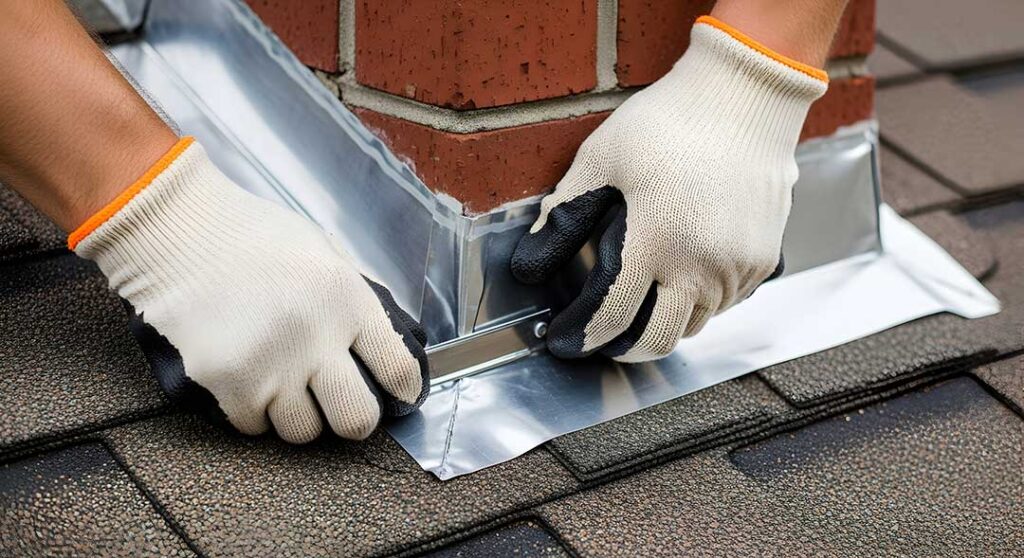
- Flashing around chimneys, vents, and other roof openings
- Valleys where two roof slopes meet
- Edges near gutters and eaves
- Areas beneath overhanging branches
- Places where snow and ice accumulate repeatedly
Age alone does not determine how long a roof will last. A well-maintained roof may perform longer than expected, while a newer roof can deteriorate quickly if water remains trapped or damage goes unnoticed.
How often should a roof be inspected?
A practical schedule is to check the roof and related components in spring and fall, with additional observation after major wind, hail, or heavy snow events.
A ground-level inspection can reveal many concerns without creating fall risks. Look for:
- Missing, lifted, cracked, or curled shingles
- Dark areas that may indicate moisture or loss of surface material
- Sagging roof lines
- Exposed underlayment or roof decking
- Damaged flashing
- Granules collecting in gutters or at downspout outlets
- Moss or algae growth that keeps roofing surfaces damp
- Loose or fallen materials in the yard
An inspection from the ground cannot identify every issue. If the roof is steep, icy, fragile, or difficult to access, climbing onto it creates unnecessary danger. Roof surfaces can also be slippery even when they look dry.
Why are gutters and downspouts so important?
Gutters and downspouts protect the roof edge, siding, foundation, and soil around the building by moving rainwater away from the structure. Blocked or poorly draining gutters allow water to back up beneath roofing materials and can contribute to rot along the eaves.
Clean gutters at least twice each year and check them after heavy leaf fall. In areas with mature trees, more frequent attention may be necessary.
Downspouts should discharge far enough away from the foundation to prevent water from pooling beside the building. Extensions should remain connected and unobstructed. During winter, ice buildup can add weight to gutters and create pathways for water to move behind the fascia or into the roof edge.
Gutter guards may reduce some debris, but they do not eliminate maintenance. Fine particles, roof granules, seeds, and ice can still interfere with drainage.
How can attic ventilation extend roof life?
Proper attic ventilation helps control heat and moisture. It does not make an attic cold in every season, but it can reduce excessive heat buildup in summer and help moisture escape during colder weather.
A balanced system generally includes low intake openings near the eaves and high exhaust openings near the roof ridge or upper roof area. Blocking intake vents with insulation or storing items against them can reduce airflow.
Signs of attic moisture or poor ventilation may include:
- Frost on the underside of the roof deck
- Damp insulation
- Musty odors
- Rusted nails or metal fasteners
- Peeling paint or ceiling stains
- Mold-like growth on wood surfaces
- Excessive heat in the attic during summer
Attic ventilation must be considered alongside air sealing and insulation. Warm, moist air leaking from bathrooms, kitchens, or living spaces can cause problems even when roof vents are present. Exhaust fans should discharge outdoors rather than into the attic.
What should property owners do about snow and ice?
Snow itself is not always harmful, but deep or uneven accumulation can place additional weight on the roof. Repeated melting and refreezing can also create ice dams along the eaves.
An ice dam forms when heat escapes into the attic and warms part of the roof, causing snow to melt. Water then reaches the colder roof edge, where it refreezes. The resulting ice can block drainage and push water beneath roofing materials.
To reduce the risk:
- Keep attic insulation and air sealing in good condition.
- Maintain clear intake and exhaust ventilation.
- Remove excessive snow only when it can be done safely.
- Avoid chopping ice with tools that can damage shingles or flashing.
- Watch ceilings and exterior walls for new stains during thaw periods.
Large snow loads, significant ice buildup, or signs of structural movement require prompt attention because the issue may involve more than the roofing surface.
Do moss and algae damage roofing?
Moss can shorten roof life when it grows thickly enough to hold moisture against shingles. Its roots or tendrils may also lift edges, allowing wind and water to enter. Algae may create dark staining without causing the same physical damage, but persistent moisture still deserves attention.
Do not pressure-wash shingles or scrape growth aggressively. High-pressure cleaning can remove protective granules and damage the roofing surface. Trimming nearby branches can improve sunlight and airflow, while gentle cleaning methods and appropriate treatments can address growth without unnecessary abrasion.
Overhanging branches should also be managed because they can scratch shingles, drop limbs, collect leaves, and provide access for animals.
Which roof repairs should not be delayed?
A small leak is rarely limited to the visible stain on a ceiling. Water may travel along rafters, insulation, or roof decking before appearing indoors.
Prompt attention is warranted when there is:
- Active dripping or water entry
- A ceiling stain that is spreading
- A missing section of roofing
- Exposed underlayment or wood
- Loose flashing
- A sagging roof area
- Interior mold-like growth linked to moisture
- Repeated leakage in the same location
- Damage after wind, falling branches, or ice
Temporary measures may limit water entry, but they are not always a lasting repair. Covering a damaged area improperly can trap moisture or conceal worsening decay.
Can roof maintenance prevent every replacement?
No. Every roof eventually reaches the end of its useful service life, and maintenance cannot reverse severe deterioration. It can, however, reduce avoidable damage and help the roof perform closer to its expected lifespan.
Keep records of inspections, repairs, leaks, and major weather events. Note the approximate installation date and the type of roofing material if that information is available. A maintenance history makes it easier to distinguish normal aging from sudden damage.
The most useful approach is consistent observation: keep water moving away from the building, maintain attic conditions, address small defects before they spread, and treat snow, ice, and roof access as safety issues rather than routine do-it-yourself tasks.
