
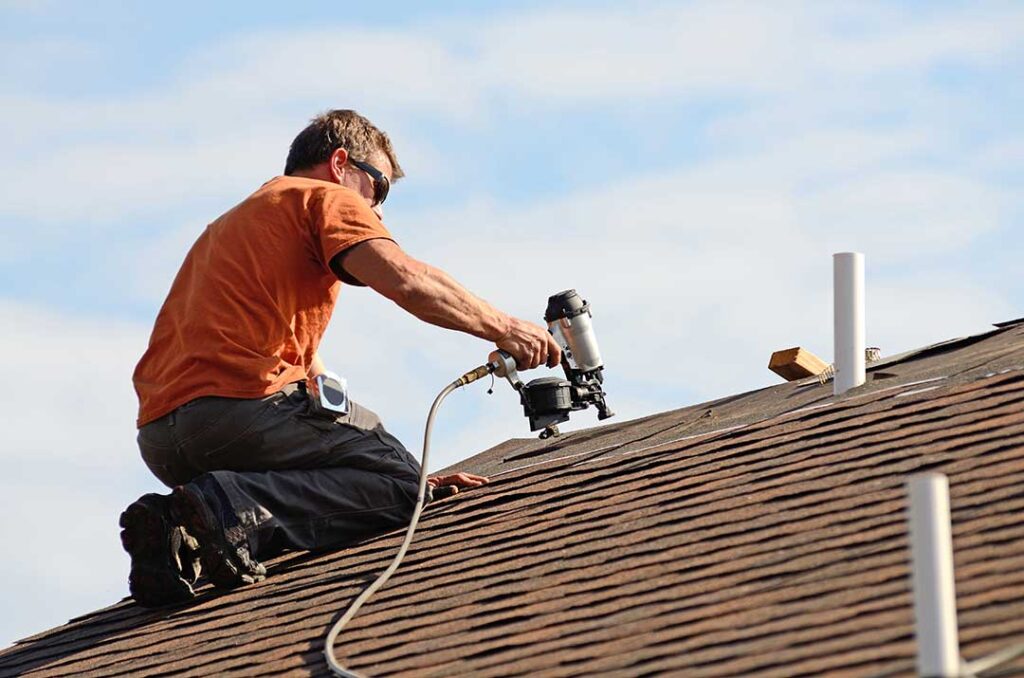
What does roof ventilation do?
Roof ventilation allows fresh air to enter the lower part of a roof assembly and lets warm, moist air escape near the roof peak. This steady movement of air helps control temperature and moisture in the attic or roof cavity.
A properly ventilated roof is not simply “letting outside air in.” It is part of a balanced system that works with insulation, air sealing, roofing materials, and drainage. If any part is missing or poorly installed, ventilation may not perform as intended.
For households in Canton, NY, roof ventilation matters throughout the year. Cold winters can create attic condensation and ice dams, while warm, humid summers can leave an overheated attic holding excess moisture.
Why is roof ventilation especially important in a cold climate?
In winter, warm air from the living space can rise into the attic through small gaps around light fixtures, plumbing openings, attic hatches, wiring, and ductwork. That warm air carries moisture. If it reaches cold roof sheathing, the moisture can condense into water droplets or frost.
Over time, winter condensation may contribute to:
- Damp or discolored attic insulation
- Mold or mildew growth
- Rotting roof sheathing
- Rusted fasteners and metal components
- Peeling paint or water stains near ceilings
- Reduced insulation performance
Ventilation helps remove some of the moisture that reaches the attic, but it is not a substitute for air sealing. The strongest roof systems use both: air sealing limits moisture entering the attic, and ventilation helps remove moisture that remains.
How does ventilation affect ice dams?
Ice dams form when snow on a roof melts in a warmer area and then refreezes near a colder roof edge. The ice can block normal drainage, allowing water to back up beneath shingles or other roof coverings.
Poor ventilation can contribute to uneven roof temperatures, especially when attic heat collects near the upper roof area. Insufficient insulation and air leaks can make the problem worse.
A well-designed system helps keep the roof deck closer to a consistent outdoor temperature. Adequate insulation and air sealing are still essential because ventilation alone cannot prevent heat loss from the living space.
Signs that winter roof conditions may be contributing to ice dams include:
- Thick bands of ice along roof edges
- Icicles accompanied by interior leaks
- Water stains appearing after snow or freezing rain
- Frost visible on the underside of roof sheathing
- Snow melting in patches while nearby areas remain covered
Removing ice with sharp tools, salt, or improvised heating methods can damage roofing and create safety hazards. Roof edges, gutters, and nearby walkways may also become dangerous during freeze-and-thaw cycles.
Does roof ventilation help in summer?
Yes. Summer sunlight can heat roofing materials and raise attic temperatures well above the outdoor air temperature. Ventilation allows accumulated heat to escape, reducing the amount of heat transferred into the rooms below.
This can improve comfort in upper floors and reduce stress on air-conditioning equipment. It may also help roofing materials and underlayment remain within their intended operating conditions.
Ventilation does not make an attic cold, and it does not replace insulation. Its purpose is to reduce trapped heat and moisture, not to turn the attic into conditioned space.
For a roof to ventilate effectively, air must have a clear path from intake openings near the eaves to exhaust openings near the ridge or upper roof area. Blocked soffit vents, compressed insulation, or poorly placed exhaust vents can interrupt that path.
What makes a roof ventilation system balanced?
A balanced system generally includes both intake and exhaust ventilation. Intake openings allow outdoor air to enter, while exhaust openings allow warm, moist air to leave.
Common intake locations include:
- Soffit vents beneath the roof overhang
- Eave vents integrated into the roof edge
- Certain low-profile intake systems
Common exhaust locations include:
- Ridge vents
- Gable vents
- Roof-mounted exhaust vents
- Turbine or mechanically assisted vents in specific designs
The exact arrangement depends on the roof shape, attic layout, insulation placement, and existing construction. A roof with only exhaust vents may not receive enough replacement air. A roof with blocked intake vents may have exhaust openings that cannot function properly.
Adding more vents is not automatically an improvement. Poorly located or excessive exhaust ventilation can draw air from unintended areas, including the living space, rather than from the planned intake openings.
Can ventilation problems occur in older homes?
Older houses may have roof designs that were built before modern insulation and air-sealing practices became common. Some attics have limited soffit space, enclosed roof sections, additions, or multiple roof levels that make airflow difficult.
Common issues include:
- Insulation covering soffit vents
- Bathroom fans discharging into the attic
- Kitchen or dryer exhaust terminating indoors
- Unsealed attic access panels
- Gable vents used without a clear intake path
- Roof sections added without extending ventilation
- Moisture damage hidden beneath insulation
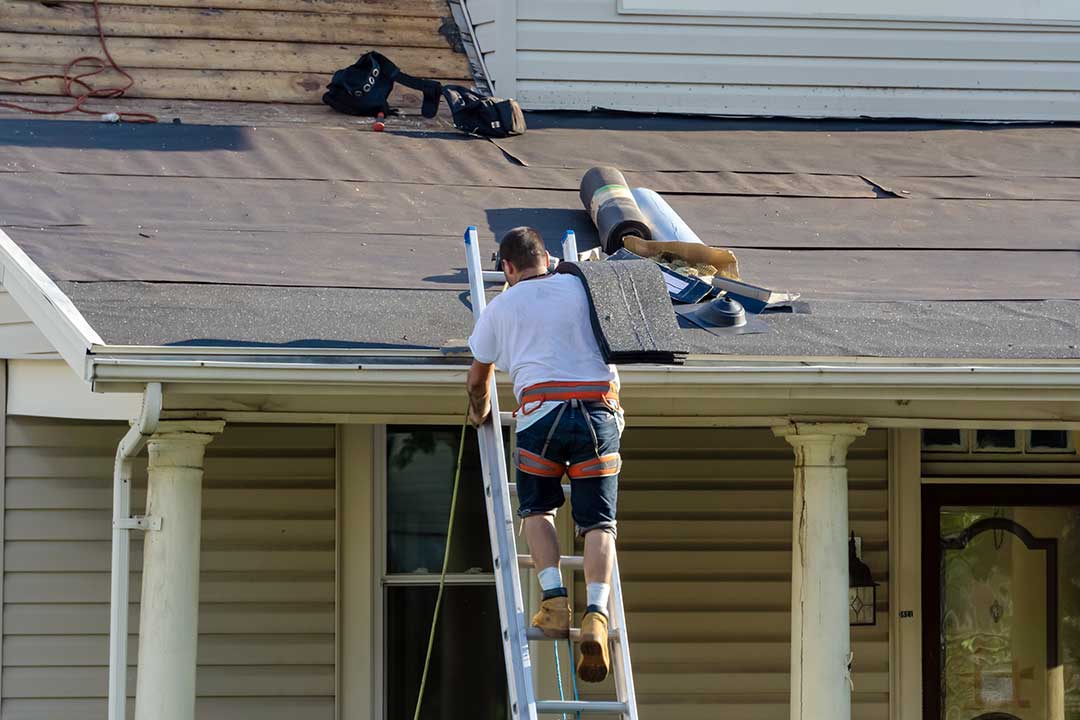
Exhaust fans should discharge outdoors through properly installed ducts. Sending humid bathroom air into an attic can create significant condensation, especially during cold weather.
Attic access doors and pull-down stairs also deserve attention. Even a small unsealed opening can allow warm indoor air to enter the attic continuously.
How can residents recognize inadequate ventilation?
Some warning signs are visible from inside the home, while others require an attic inspection. Possible indicators include:
- Musty odors in the attic
- Frost on roof framing during cold weather
- Damp insulation
- Dark staining on roof sheathing
- Mold-like growth
- Repeated roof leaks without obvious shingle damage
- Premature deterioration of roofing materials
- Excessive heat in finished rooms beneath the roof
- Peeling or bubbling ceiling finishes
Not every roof problem is caused by ventilation. Leaks may result from flashing, damaged roofing, plumbing penetrations, skylights, gutters, or ice-related damage. Ventilation should be considered as part of a broader roof and attic assessment.
What should be checked before improving ventilation?
Before vents are added or changed, the roof and attic should be evaluated as a complete system. Important questions include:
- Are soffit or eave intake openings present and unobstructed?
- Is insulation installed evenly without blocking airflow?
- Are attic air leaks sealed?
- Do bathroom, kitchen, and dryer exhaust ducts terminate outdoors?
- Is there moisture damage or visible condensation?
- Does the roof have multiple sections with separate airflow needs?
- Are existing exhaust vents competing with one another?
- Is the attic intended to remain vented or become part of the conditioned space?
Safety also matters. Attics can contain exposed wiring, nails, unstable walking surfaces, extreme temperatures, and inadequate lighting. Roof access becomes particularly hazardous during snow, ice, wind, or wet conditions.
A ventilation correction should preserve the roof’s weather resistance. Cutting openings without proper flashing or installing vents in unsuitable locations can create leaks rather than solve moisture problems.
Does proper ventilation eliminate maintenance?
No. Ventilation reduces certain heat and moisture problems, but regular roof maintenance remains necessary. Gutters and downspouts should remain clear, roof penetrations should be monitored, and damaged flashing or roofing should not be ignored.
After major winter weather, checking the attic for damp insulation, frost, or new stains can reveal problems before they spread. During warmer months, inspecting for blocked vents, animal nesting, or debris can help preserve airflow.
For area households, the most dependable roof performance comes from treating ventilation, insulation, air sealing, drainage, and weather protection as connected parts of the same system.
