

How Do Cold Winters Impact Roofs in Canton, NY?
Long, snowy winters can stress roofs in the region. Heavy snow accumulation adds significant weight, especially on older or flatter roofs. As temperatures swing above and below freezing, ice dams often develop along roof edges. This traps melting snow on the roof, forcing water back up under shingles or flashing and increasing the risk of leaks.
Repeated cycles of freezing and thawing can also cause roofing materials to contract and expand. Over time, this movement can loosen shingles, crack seals, and create gaps for water infiltration. Homeowners sometimes underestimate how quickly small freeze-induced cracks can become entry points for water once spring arrives.
What Problems Can Rain and Humidity Cause?
Frequent rain, especially in spring and late summer, exposes weak areas in roofing systems. Leaks often form around vent pipes, skylights, or where old sealant has deteriorated. Even if storms are brief, consistent exposure to moisture can saturate the roof deck and insulation beneath, leading to mold or rot over time.
High humidity also slows down how quickly wet roof surfaces dry after rain. Persistent dampness can encourage moss, algae, or lichen growth, particularly on shaded or north-facing areas. These organisms can lift shingles and trap moisture against the roof, eventually leading to premature wear.
Are Summer Heat and Sun Exposure Harmful?
During warm months, persistent sunshine heats up rooftops, sometimes pushing surface temperatures well above the air temperature. Asphalt shingles, the most common local roofing material, gradually soften and lose protective granules when exposed to strong UV rays over many seasons. This can lead to curl, crack, or brittle shingles that may shed easily in the next windstorm.
Thermal expansion in summer can cause nail heads to pop and flashing to become unsealed, especially where roof planes meet walls or chimneys. Some residents overlook how attic ventilation plays a role in managing this stress; roofs with poor ventilation often experience accelerated deterioration from excess heat buildup.
How Does Wind Affect Local Roofs?
Strong wind gusts, whether from thunderstorms or occasional Nor’easter remnants, can lift or tear off shingles—especially if they are already loose or aged. Wind-driven rain can also exploit any small opening or vulnerability in the roofing system, leading to water intrusion in spots not previously problematic.
The city’s mix of older homes and mature trees adds another dimension—branches whipped by wind can scratch, gouge, or puncture roofing materials. Periodic inspection after major wind events helps reveal early damage that might otherwise go unnoticed until leaks form.
What Are Common Overlooked Weather-Related Roofing Problems?
Many local homeowners focus on obvious issues after a storm but may miss slower, cumulative effects:
- Trapped leaf debris in valleys and gutters can increase water pooling, which may accelerate rot or cause ice dams.
- Small animal activity (like squirrels seeking shelter from cold) sometimes worsens holes or dislodges vent caps.
- Reroofed homes with layers of older shingles beneath may face greater moisture trapping, increasing hidden rot risks during wet seasons.
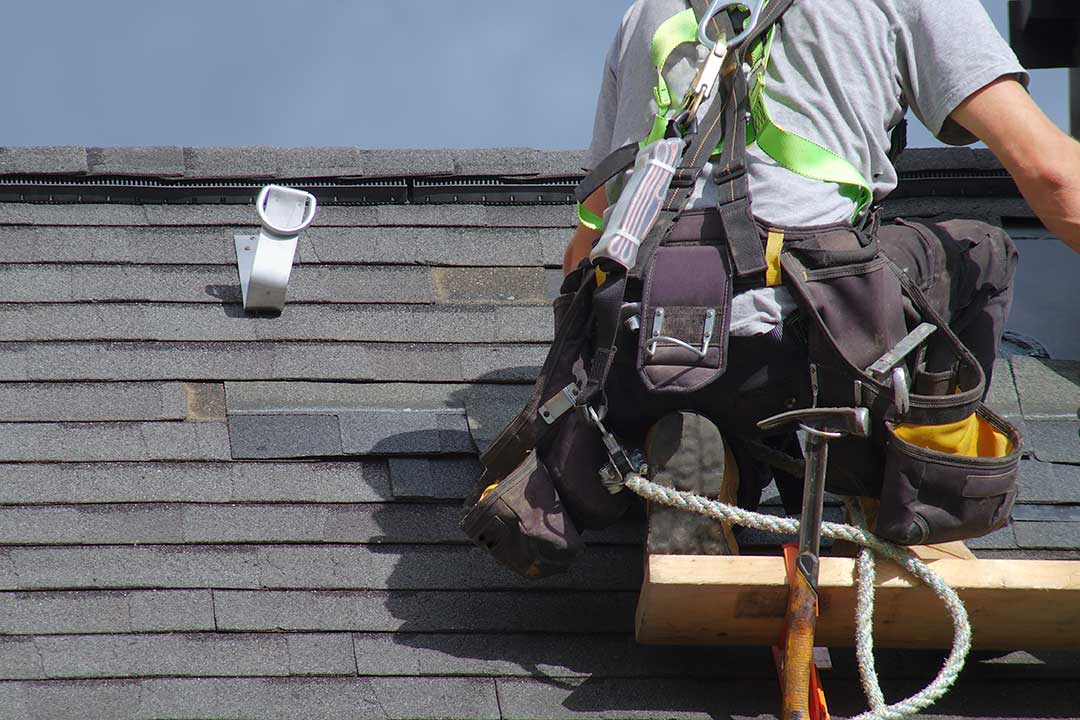
Assumptions that roofs “last as long as the warranty” can be misleading—unusual weather years or neglected maintenance often shorten effective life expectancy.
What Can Residents Do to Minimize Weather Damage?
Residents don’t need to climb on a roof to reduce weather risk. Regular checks from the ground for missing shingles, blocked gutters, and discolored patches after storms or snowmelt are simple but effective. Clearing overhanging branches and ensuring attic vents are unobstructed supports roof longevity through all seasons.
Paying attention to how ice or water runs off in winter and after storms can provide early clues to developing issues. Timely attention to small, visible problems—such as replacing detached shingles or resealing flashing—prevents bigger repairs.
Are There Misconceptions About "Weatherproof" Roofs?
The idea of a truly “weatherproof” roof is a common misunderstanding. While quality materials and good installation go far, no roof is immune to long-term exposure and Canton’s seasonal extremes. Regular wear, minor storm events, and small wildlife can slowly erode any system’s integrity. The smartest approach is routine observation and prompt attention rather than assuming new or expensive roofs will remain trouble-free for decades without care.
