
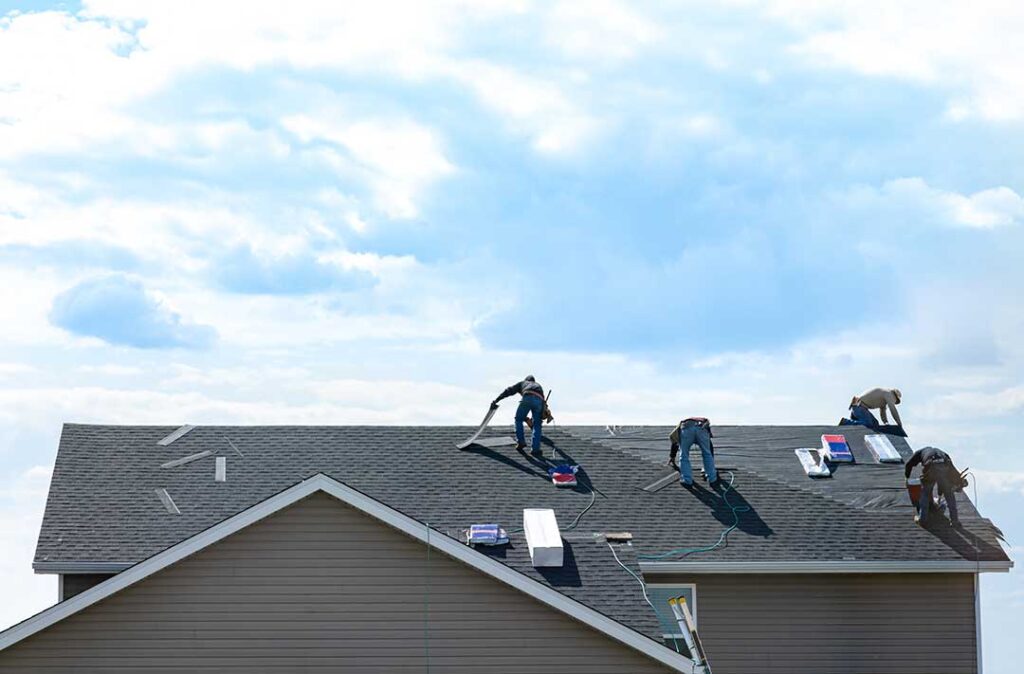
Which roofing materials are most practical for Canton, NY homes?
The best roofing material depends on more than appearance or purchase price. In Canton, NY, a roof must handle snow, freeze-thaw cycles, wind, summer sun, falling branches, and periods of damp weather. The roof’s slope, structural framing, ventilation, installation quality, and maintenance needs can matter as much as the material itself.
No single roofing system is ideal for every house. Asphalt shingles are common and adaptable, while metal, wood, slate, and synthetic materials offer different combinations of durability, weight, cost, and maintenance.
Asphalt shingles: affordable and widely adaptable
Asphalt shingles are often chosen because they work with many roof shapes and generally have a lower initial cost than heavier or specialty materials. Architectural shingles, which have a dimensional appearance, are typically more substantial than basic three-tab shingles and can provide better visual depth.
Advantages include:
- Broad compatibility with traditional and newer home designs
- Generally straightforward repair and replacement
- Lower upfront cost than many premium roofing systems
- Many available colors and profiles
- Moderate resistance to wind when properly installed
Limitations include:
- Shorter service life than slate, metal, or some synthetic systems
- Shingles can lose granules, curl, crack, or become brittle with age
- Repeated freeze-thaw cycles may worsen small defects
- Dark roofing can become hot in direct summer sunlight
- Snow and ice can expose weak flashing or ventilation problems
Asphalt shingles are not automatically a poor choice in a snowy climate. Their performance depends heavily on proper underlayment, flashing, roof ventilation, and installation details around chimneys, valleys, skylights, and wall intersections.
Metal roofing: long service life with snow-related tradeoffs
Metal roofing may be made from steel, aluminum, copper, or other alloys. For residential buildings, coated steel and aluminum are common categories. Metal roofs can be installed as interlocking panels, exposed-fastener panels, or standing-seam systems.
Advantages include:
- Long potential service life when maintained properly
- Good resistance to fire, insects, rot, and moisture
- Low water absorption
- Lightweight compared with slate or concrete tile
- Snow can slide off more readily on steeper roofs
That last benefit can also create a hazard. A large sheet of snow sliding from a smooth metal roof can damage gutters, landscaping, vehicles, or people below. Snow guards may be needed above entrances, walkways, and other frequently used areas.
Metal roofing also produces different sounds during heavy rain or hail, although roof decking, insulation, and attic construction affect how noticeable that sound is. Expansion and contraction can place stress on fasteners or seams if the system is poorly designed. Galvanic corrosion is another concern when incompatible metals come into contact.
A metal roof is not maintenance-free. Fasteners, seams, coatings, flashing, and areas around roof penetrations still require periodic observation.
Wood shingles and shakes: attractive but maintenance-sensitive
Wood roofing can complement older homes, cabins, and buildings with a natural architectural style. Cedar is commonly associated with this category, but all wood roofing requires attention to moisture and ventilation.
Potential benefits include:
- Natural appearance that changes over time
- Good visual fit with some historic or rustic designs
- Moderate insulating value compared with thin sheet materials
- Ability to be repaired in sections when matching material is available
Potential drawbacks include:
- Susceptibility to rot, moss, algae, and insect damage
- More frequent maintenance than many manufactured materials
- Greater fire-related concerns unless treated and approved for the application
- Uneven weathering if portions of the roof remain shaded or damp
- Possible difficulty finding matching replacement pieces years later
In a climate with wet seasons, snow, and long periods of shade, wood roofing needs adequate spacing, air movement, and drainage. Leaves and organic debris should not be allowed to remain trapped in valleys or against roof edges.
Slate roofing: durable, heavy, and specialized
Natural slate can last for many decades and is valued for its appearance and resistance to rot, insects, and fire. Properly installed slate may outlast several generations of asphalt roofing.
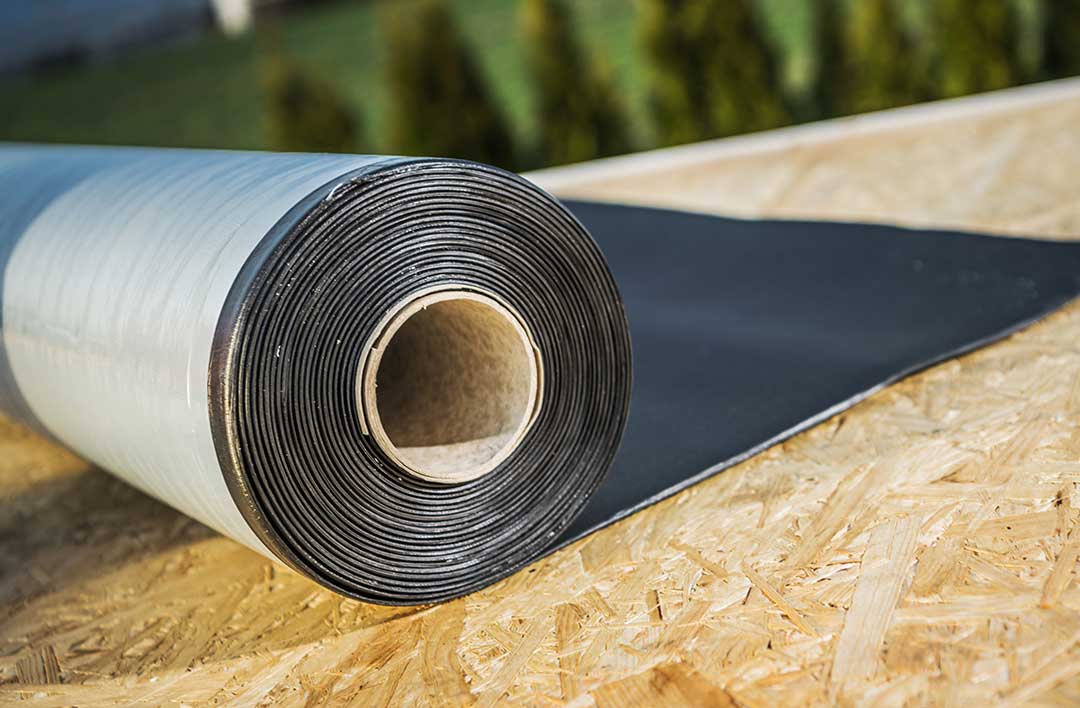
Its main disadvantages are weight, cost, and the specialized skill required for installation and repair. Existing roof framing must be able to support the load. Walking on slate can break individual pieces, so routine access and maintenance require care.
Slate repairs can also involve more than replacing a single broken tile. Nails, flashing, battens, underlayment, and adjacent pieces may all affect the repair. A slate roof can be an excellent long-term system, but it is not a simple substitute for asphalt shingles without evaluating the entire structure.
Synthetic roofing: lighter alternatives to slate or wood
Synthetic roofing products may be made from polymer, rubber-like, or composite materials. Some are designed to resemble slate, wood shakes, or tile while weighing less than natural materials.
Possible advantages include:
- Lower weight than many natural slate or tile systems
- Consistent shapes and sizes
- Resistance to rot and insects
- A wide range of colors and textures
- Potentially simpler handling during installation
Performance varies considerably between products. Some synthetic materials have long track records, while others have less history in severe winter conditions. Important questions include how the material responds to cold temperatures, impact, ultraviolet exposure, and repeated expansion and contraction.
Fire ratings, warranty limitations, fastening requirements, and compatibility with existing roof components should be reviewed carefully. A material that looks like slate does not necessarily perform exactly like slate.
What about clay or concrete tile?
Tile roofing can be highly durable, but it is usually heavier than asphalt or metal. Concrete tile is especially dense, and both clay and concrete products can be vulnerable to cracking from impact, handling, or structural movement.
Tile may be appropriate for certain architectural styles, but the roof structure must be designed or reinforced for the load. Snow accumulation, freeze-thaw conditions, and ice movement also deserve attention. Broken tiles can allow water to reach underlayment and roof decking even when the visible damage appears minor.
Which material handles snow and ice best?
No material eliminates ice dams. Ice dams usually result from heat escaping into a cold attic, uneven roof temperatures, inadequate insulation, blocked ventilation, or snow conditions. A durable surface can still leak if water backs up beneath the roofing.
For winter performance, the roofing material should be considered together with:
- Adequate attic insulation
- Continuous or properly designed ventilation
- A suitable underlayment near eaves and other vulnerable areas
- Proper flashing at valleys, walls, chimneys, and penetrations
- Gutters and downspouts that are securely attached and able to drain
- Roof geometry that avoids unnecessary snow traps
Metal may shed snow more readily, while asphalt shingles can provide a more textured surface that slows snow movement. Neither characteristic alone determines whether a roof will perform well.
How should homeowners compare roofing materials?
A useful comparison includes the full life cycle rather than only the initial price. Consider the expected service life, repair difficulty, maintenance requirements, replacement disposal, structural weight, snow behavior, fire resistance, and compatibility with the house.
The roof’s slope also matters. Some materials need a minimum pitch to shed water properly, while low-slope areas may require a different membrane or specialized system. A steep roof can increase installation difficulty and snow-slide risk, while a shallow roof may hold water and snow longer.
For older homes, the existing roof deck and framing deserve particular attention. Layers of previous roofing can add weight, hide damaged decking, or complicate ventilation. Local building requirements may also affect allowable materials, fastening methods, roof replacement, and structural changes.
The most suitable choice is usually the material that fits the building’s structure, roof design, winter exposure, maintenance expectations, and long-term budget—not simply the product with the longest advertised lifespan.
