
Roof maintenance is mostly about early observation, simple seasonal care, and knowing which conditions are unsafe to handle from a ladder. For households in Canton, NY, regular checks can help identify problems caused by snow, ice, wind, falling branches, moisture, and changing temperatures before they lead to interior damage.
What should be checked during a routine roof inspection?
A basic inspection should look for visible damage, drainage problems, and signs that moisture may be entering the roof system. Ground-level observations are often enough to identify issues that need closer attention.
Look for:
- Missing, cracked, curled, or lifted shingles
- Dark patches that may indicate moisture or aging materials
- Sagging areas along the roofline
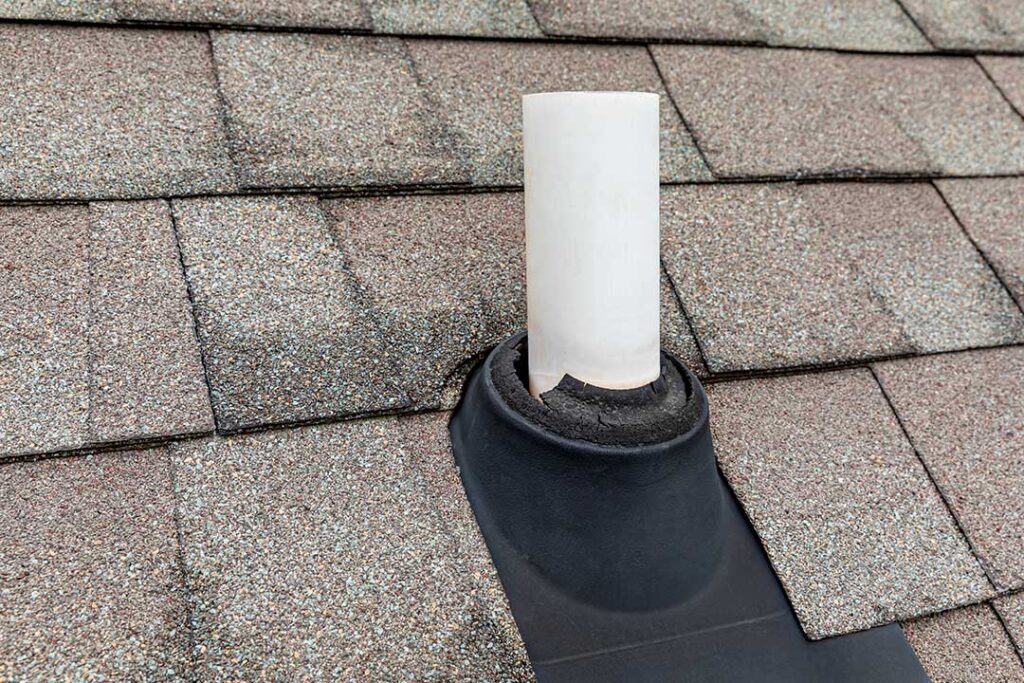
- Damaged or loose flashing around chimneys, vents, skylights, and roof edges
- Gutters pulling away from the fascia
- Excessive granules collecting in gutters or downspout outlets
- Moss, algae, or plant growth that may hold moisture against the roofing
- Debris from branches, storms, or nearby trees
A roof does not need to look severely damaged to have a problem. A small gap around flashing or a single lifted shingle can allow water beneath the roofing during wind-driven rain or melting snow.
Use binoculars from the ground when possible. Walking directly on shingles can cause damage, especially when the surface is cold, brittle, wet, or covered with frost.
How often should roof maintenance be done?
Most homes benefit from a visual roof check in spring and fall, with additional inspections after severe weather. A quick review after heavy snowfall, strong wind, or falling branches can reveal problems before the next storm.
Spring checks are useful for finding:
- Shingles loosened by winter wind
- Bent or damaged flashing
- Ice-dam-related staining or leaks
- Gutter blockages from leaves and small branches
- Animal activity near roof openings
Fall maintenance should focus on removing debris, confirming that drainage paths are clear, and checking whether tree limbs could scrape or fall onto the roof during winter storms.
After a major storm, inspect the ground around the home for shingle pieces, metal flashing, broken branches, and unusual amounts of roofing granules. These clues do not prove that the roof is damaged, but they justify a closer look.
How can gutters and downspouts protect the roof?
Clean gutters help move water away from the roof edge and exterior walls. Blocked or poorly draining gutters can contribute to overflowing water, saturated fascia boards, basement moisture, and ice buildup during freezing weather.
Remove leaves, twigs, and compacted sediment at least once in spring and again in late fall. Check that downspouts discharge water far enough away from the foundation to prevent pooling near the house.
Also inspect for:
- Gutter sections that sag or separate
- Loose fasteners
- Water stains beneath the roof edge
- Downspouts blocked by ice or debris
- Splashing or erosion below the discharge point
Do not rest a ladder against gutters. Use a stable setup on level ground, keep both hands available when climbing, and avoid ladder work during wind, rain, snow, or icy conditions.
What should homeowners know about snow and ice dams?
Snow itself is not automatically a roof problem, but heavy, uneven accumulation can place stress on the roof structure. Ice dams form when heat escapes into the attic, melts snow on warmer sections of the roof, and the water refreezes near colder eaves.
Signs of an ice dam include:
- Thick bands of ice along the roof edge
- Icicles accompanied by interior moisture or staining
- Water marks on ceilings or upper walls
- Wet insulation or damp attic framing
- Repeated winter leaks in the same location
Avoid chopping ice with a shovel, hammer, or other tool. This can damage shingles and underlayment while creating a fall hazard. Pouring salt or chemical deicers on roofing is also generally unsuitable because runoff may damage metal components, plants, masonry, or nearby surfaces.
Long-term prevention usually involves improving attic air sealing, insulation, and ventilation so the roof surface remains more evenly cold. These measures should be evaluated as a complete system rather than treating visible ice as an isolated problem.
Can moss and algae damage a roof?
Moss can shorten the useful life of roofing by retaining moisture and lifting shingle edges. It is more likely to appear where the roof remains shaded, damp, or covered by leaves and organic debris.
Remove small amounts of debris gently with a soft brush or leaf blower used from a safe position. Do not pressure-wash shingles, scrape aggressively, or use a stiff metal tool. These methods can remove protective granules and create damage that is more serious than the original growth.
Trim branches that repeatedly shade the roof or drop leaves onto it, but only if the work can be done safely from the ground. Larger limbs, trees near power lines, and branches requiring climbing should not be handled as a do-it-yourself task.
How should roof penetrations be maintained?
Roof penetrations are common leak locations because they interrupt the continuous roofing surface. Examine the areas around plumbing vents, exhaust vents, skylights, chimneys, and other fixtures for cracked sealant, displaced flashing, rust, or gaps.
Do not apply new caulk over a damaged assembly without understanding where water is entering. Surface sealant may temporarily hide a problem while moisture continues beneath the roofing.
Bathroom and kitchen exhaust fans should vent outdoors through properly designed ducts rather than into the attic. Moist indoor air released into a cold attic can create condensation, damp insulation, mold growth, and wood deterioration even when the roof itself is not leaking.
What roof maintenance can safely be done without climbing?
Many useful tasks can be completed from the ground or from accessible interior areas:
- Inspect roof surfaces with binoculars
- Remove leaves from reachable, safe areas
- Check gutters from a properly positioned ladder
- Look for ceiling stains after storms
- Examine the attic for damp insulation, daylight, mold-like growth, or water marks
- Keep branches away from the roof where trimming can be done from the ground
- Record photographs of changes over time
Do not climb onto a roof that is wet, icy, snow-covered, steep, damaged, or visibly sagging. Avoid walking near skylights, roof edges, and areas with uncertain structural support.
When is a roof problem unsafe to handle yourself?
Some conditions require specialized equipment, training, or a careful assessment of structural and electrical hazards. Stop DIY work if there is active leaking near electrical fixtures, major sagging, extensive storm damage, a fallen tree, exposed roofing underlayment, or suspected structural failure.
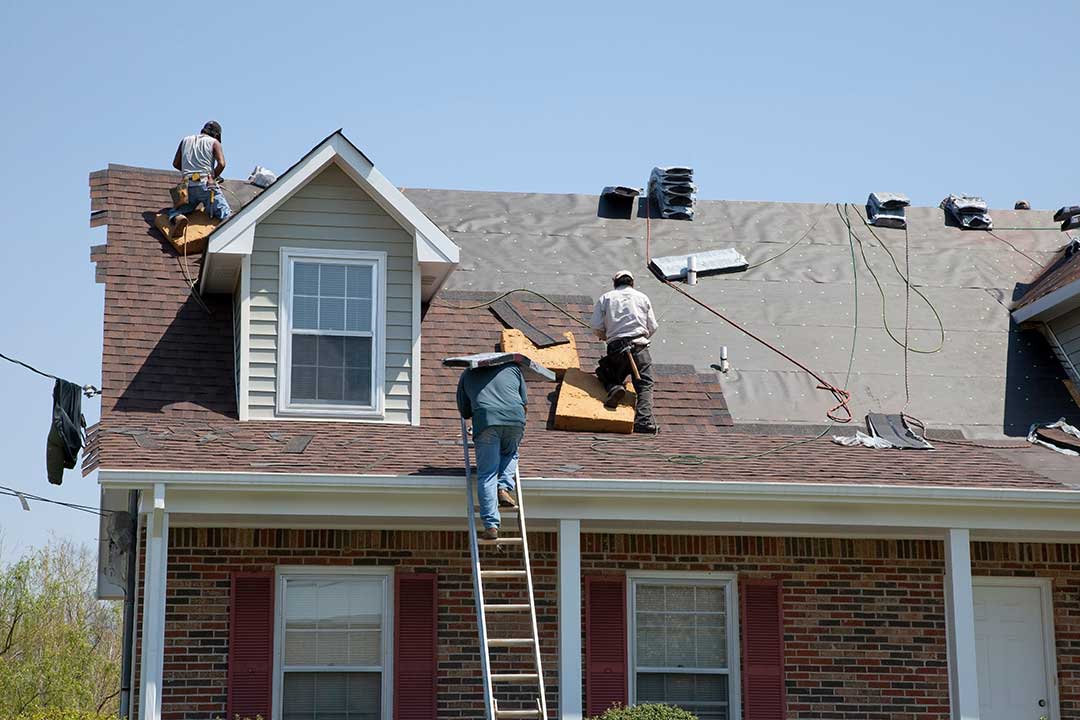
Professional evaluation is also appropriate when the roof cannot be reached safely, when damage extends beneath the visible surface, or when repairs involve chimney masonry, complex flashing, steep slopes, or winter ice. Safety takes priority over completing a maintenance task immediately.
Keeping dated notes and photographs can make it easier to track whether a minor concern is stable or worsening. For homes exposed to heavy winter weather, that record is particularly useful when comparing conditions before and after the cold season.
