
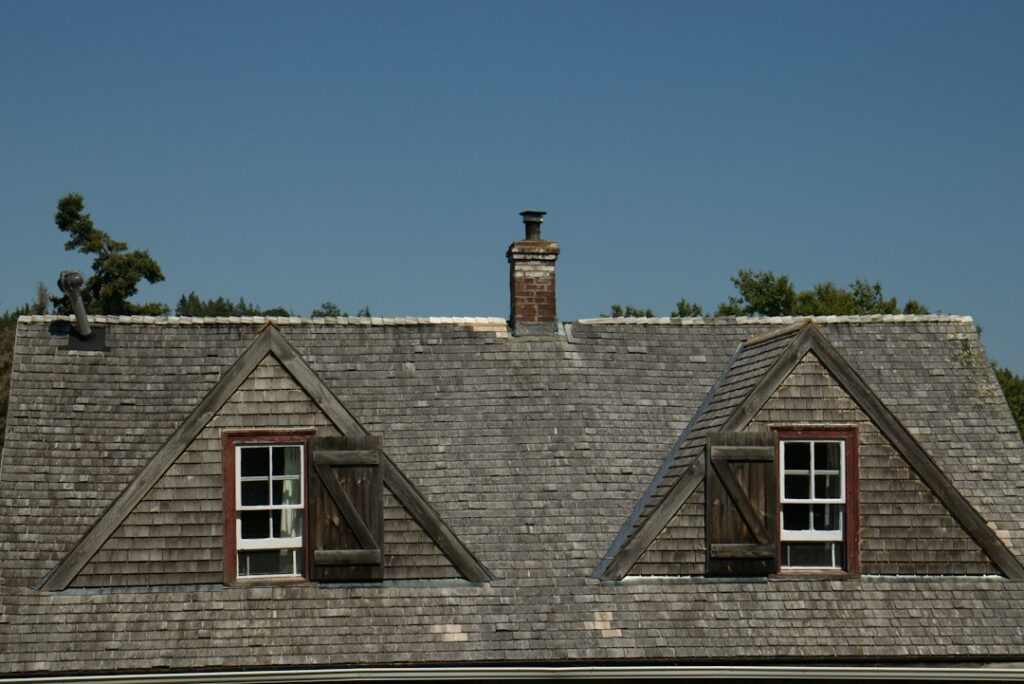
A professional roof inspection is a systematic review of the roof’s condition, drainage, ventilation, flashing, and related exterior areas. The inspector is not simply looking for missing shingles. The goal is to identify current damage, signs of aging, workmanship concerns, and conditions that could lead to leaks or structural problems later.
For homeowners in Canton, NY, inspections are especially useful after heavy snow, ice buildup, wind, freeze-thaw cycles, or long periods of rain. These conditions can affect roofing materials gradually, even when no interior leak is visible.
What happens before the inspection?
Before examining the roof, the inspector will usually ask about the property’s history and any concerns noticed by the occupants. Useful information may include:
- The approximate age of the roof
- Recent storms, fallen branches, or heavy snow
- Previous repairs or replacements
- Areas where water has appeared indoors
- Unusual stains, odors, drafts, or moisture
- Changes in heating or cooling performance
- Whether the property is being bought, sold, or renovated
This conversation helps direct attention to areas that might otherwise be overlooked. A small ceiling stain, for example, may not be directly below the point where water entered the roofing system.
An inspector may also review available documentation, such as previous inspection reports, repair records, or warranty information. These records can help distinguish an isolated repair from a broader pattern of roof deterioration.
Does the inspector always walk on the roof?
No. A roof does not always need to be walked on for an inspection to be useful. The inspection method depends on the roof’s slope, surface condition, height, weather, accessibility, and safety risks.
A roof may be examined from:
- Ground level
- Windows, decks, or nearby elevated areas
- An extension ladder
- The roof surface
- The attic side of the roof structure
Walking on a roof may be unsafe when shingles are wet, icy, brittle, steeply pitched, heavily covered with snow, or affected by hidden structural weakness. A careful inspection should not involve unnecessary risk or damage to roofing materials.
If the roof cannot be safely accessed, the final report should explain the limitation and identify which areas were observed from a distance.
What exterior areas are checked?
The exterior review usually covers the roof covering and the parts that help move water away from the building. The inspector may look for:
- Missing, cracked, curled, loose, or lifted shingles
- Exposed fasteners or deteriorated sealant
- Damaged metal around chimneys, vents, skylights, and roof edges
- Sagging areas or uneven roof planes
- Moss, algae, or plant growth
- Granules collecting in gutters or at downspout outlets
- Damaged ridge caps or roof penetrations
- Poorly attached flashing
- Blocked, damaged, or undersized drainage components
- Ice-dam-related wear along lower roof edges
- Signs of wind damage or impact from branches
In a cold northern climate, the inspector may pay close attention to roof edges, valleys, penetrations, and areas where snow and ice repeatedly accumulate. Freeze-thaw movement can enlarge small cracks and loosen materials over time.
The inspection may also include fascia, soffits, gutters, downspouts, siding near the roofline, and exterior trim. These areas can reveal how water is moving around the building, even when the roof surface itself looks reasonably intact.
Why are flashing and roof penetrations important?
Flashing is installed where roofing materials meet changes in direction or objects that pass through the roof. These transition points are common locations for leaks because they depend on careful installation and durable seals.
Inspectors typically examine flashing around:
- Chimneys
- Plumbing vents
- Exhaust vents
- Skylights
- Dormers
- Valleys
- Wall intersections
- Roof edges
A roof can have intact shingles and still leak because flashing has shifted, corroded, cracked, or been covered by an unsuitable repair material. Sealant may temporarily hide a problem without correcting the underlying water path.
Roof penetrations also deserve attention because every vent, pipe, or mounted object creates an opening in the roof system. Aging rubber seals, loose collars, and poorly sealed fasteners can allow water to enter during wind-driven rain or melting snow.
What does the attic inspection reveal?
The attic often shows evidence that cannot be seen from outside. Inspectors may look for active moisture, old water marks, damp insulation, mold-like growth, rusted fasteners, and damaged wood.
They may also assess:
- Whether air can move through the intended ventilation pathways
- Blocked soffit vents
- Inadequate or poorly placed insulation
- Condensation on the underside of the roof deck
- Daylight visible through unwanted gaps
- Signs of roof sheathing deterioration
- Electrical or mechanical equipment installed near roofing components

Not every attic stain means the roof is currently leaking. Some marks come from an older repair, past condensation, or a one-time event. The inspector will generally consider the location, age, moisture level, and surrounding materials before describing the likely cause.
Poor attic ventilation can also contribute to moisture problems and winter ice buildup. However, ventilation is only one factor. Insulation levels, air sealing, roof design, indoor humidity, and snow conditions all affect how the attic performs.
Will the inspection identify the exact age of the roof?
Usually, an inspector can estimate the roof’s age, but exact dating is not always possible. Roofing records, permits, invoices, or replacement documentation provide stronger evidence than appearance alone.
The inspection may identify whether the roof appears:
- Relatively new
- Functionally sound but aging
- Near the end of its expected service period
- Significantly deteriorated
- A mixture of newer and older materials
Age by itself does not determine whether replacement is necessary. Installation quality, ventilation, weather exposure, maintenance, roof slope, and material condition all matter. A newer roof can have defects, while an older roof may still be performing adequately.
What will be included in the report?
A useful inspection report explains observed conditions in plain language. It may include photographs, descriptions of affected areas, safety concerns, maintenance recommendations, and notes about portions that were inaccessible.
The report may classify findings as:
- Normal wear or routine maintenance
- Minor repair
- Further evaluation
- Significant deterioration
- Active leakage or urgent damage
- Conditions that were not inspected
A report should distinguish between visible evidence and conclusions that cannot be confirmed without opening the roof or removing materials. For example, an inspector may identify staining consistent with past leakage but cannot always determine the precise entry point without additional investigation.
Does an inspection include repairs or a cost estimate?
A roof inspection is primarily an evaluation, not a repair process. It may identify areas that need attention, but it does not necessarily include opening the roof, correcting defects, testing hidden assemblies, or determining the exact cost of every repair.
Roofing costs vary according to access, material type, roof complexity, structural conditions, disposal requirements, and the extent of concealed damage. A visual inspection can describe the problem without revealing everything that may be found once damaged materials are removed.
Homeowners should also understand the difference between an inspection and a specialized assessment. Suspected structural movement, widespread moisture, mold concerns, or interior damage may require additional evaluation by an appropriately qualified specialist.
When is an inspection especially useful?
An inspection is particularly helpful after a major storm, before buying or selling a home, following a leak, or when a roof is approaching the later part of its service life. It can also clarify whether a problem is limited to one area or reflects broader aging.
For local households, late winter and early spring can reveal issues caused by snow load, ice dams, repeated freezing and thawing, and blocked drainage. Summer inspections may make it easier to observe damaged shingles, exposed flashing, and deterioration that was hidden under snow or ice.
A roof inspection does not guarantee that future leaks will never occur. It provides a documented view of visible conditions at a particular time, along with limitations and practical priorities. The most useful result is a clear understanding of what appears sound, what needs monitoring, what requires repair, and what should not be delayed because it presents a safety or water-damage risk.
