

What typically causes roof leaks for homes in Canton, NY?
Roof leaks often originate from a handful of common problems that are especially relevant in Canton, NY, due to the local weather patterns and types of homes found in the area. Most leaks result from roofing material breakdown, improperly installed elements, or damage from the environment. Identifying the specific cause can help residents fix issues before they become bigger structural problems.
How does weather in the city contribute to roof leaks?
Frequent freeze-thaw cycles, heavy snowfall, and ice dams are major factors in this region. Snow and ice accumulation commonly lead to:
- Ice dams forming along roof edges when heat escaping from the house melts snow, which refreezes and blocks water from draining properly
- Water backing up under shingles and flashing, exploiting even small gaps
- Quick thaws after a cold stretch, putting pressure on weak spots in the roofing system
In areas like Canton, where winters are long and harsh, these weather conditions make regular inspection especially important.
What are the most vulnerable parts of a roof to leaks?
Not all sections of a roof are equally at risk. Residents often notice leaks develop at:
- Roof valleys, where two slopes meet and water naturally funnels
- Around chimneys, skylights, or vent pipes where flashing can loosen or deteriorate
- Near eaves, where ice can build up or gutters become clogged
- Ridges and roof edges, especially if shingles are missing or damaged
Many of these problem spots are tied to the original design or installation quality.
Are old or damaged shingles a main reason for leaks?
Aged or broken shingles are one of the leading contributors to leaks in this area. Shingles can crack, curl, or lose granules from exposure to sun, wind, and repeated precipitation cycles. In particular, residents may notice:
- Missing shingles after wind storms
- Curled edges due to long winters and sun exposure
- Bald spots where granules have worn away, exposing the underlayment
Even small areas of damage can allow water to penetrate, especially during periods of heavy rain or melting snow.
Can flashing failure cause water intrusion?
Yes, flashing problems are a frequent source of leaks—especially around roof features like chimneys, vent pipes, and skylights. Flashing is designed to create a watertight barrier, but common issues include:
- Rust or corrosion, often caused by accumulated debris or constant snow cover
- Poor installation, where gaps weren't properly sealed
- Movement or loosening over time, sometimes from freeze/thaw cycles
Since flashing is often hidden from view, leaks may appear far from the source, making them tricky to diagnose quickly.
How do gutters and drainage impact roof leaks?
Gutters and downspouts play a surprising role in preventing roof leaks. When gutters are clogged or misaligned:
- Water can overflow, seeping under roofing material near the edges
- Standing water from clogged gutters can lead to rot in fascia boards
- In winter, gutters blocked with ice or debris contribute to ice dam formation
Keeping gutters clear, especially before and after the snow season, can go a long way in preventing avoidable leaks.
Can attic insulation and ventilation affect leaks?
Attic conditions strongly influence moisture and temperature levels on the roof above. Inadequate insulation or poor ventilation can cause:
- Warm air to rise and melt snow unevenly on the roof, increasing ice dam risk
- Moisture buildup in the attic, leading to condensation and rot in decking or rafters
- Long-term damage that weakens roofing materials over several seasons
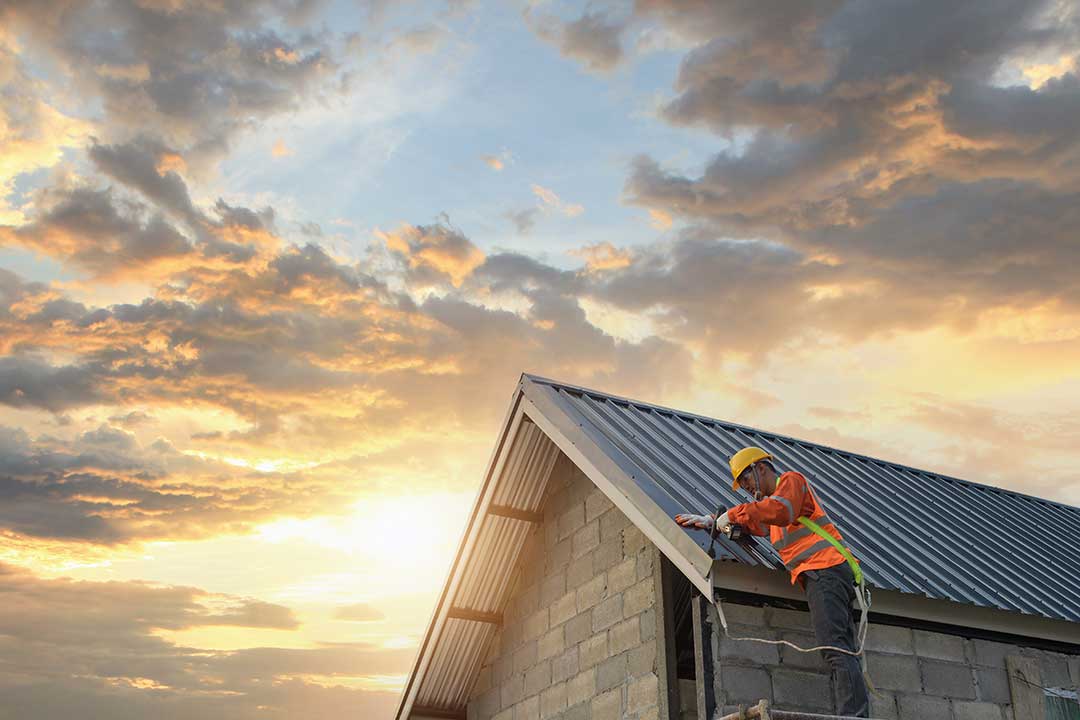
Many households overlook attic upgrades, yet they are a key factor in preventing water problems in this climate.
Are leaks always from the roof surface itself?
Not always. Sometimes, what looks like a roof leak could be condensation or plumbing issues in attics or wall cavities. For example:
- Water stains near vents may actually come from poorly sealed ductwork or pipes
- Condensation from bathroom exhaust fans venting into the attic space
- Dripping from blocked or overflowed soffit vents during periods of high humidity
Careful observation of the leak location—especially after different types of weather—can help reveal the actual cause.
What misconceptions do local residents often have about roof leaks?
Residents sometimes assume that all leaks begin with missing shingles or dramatic storm damage. In reality:
- Slow-developing leaks from flashing or minor shingle cracks can go unnoticed until major damage appears inside the home
- Roofs can appear intact from the ground, while hidden layers may be failing due to trapped moisture or old underlayment
- Temporary patching or sealants may only mask symptoms rather than address underlying causes
Routine checks, particularly after winter, are critical to catch small issues early.
How can homeowners reduce their risk of roof leaks?
Home maintenance and vigilance are key. Area households can:
- Inspect attics for dampness or mildew each season
- Clear gutters and downspouts regularly, especially before winter
- Check for loose or missing shingles after storms or strong winds
- Watch for early signs of trouble, like water spots on ceilings or peeling paint near windows and doors
Addressing small repairs before winter sets in can help roofs withstand the unique challenges of Canton’s climate.
